For anyone who must reproduce Brazil’s national symbols—whether in branding, digital media, or cultural documentation—the exact hues of the flag matter. The official palette consists of a vivid green, a bright yellow, a deep blue, and pure white, each defined by specific hex, CMYK, and Pantone values. Understanding these codes ensures visual fidelity across print, web, and textile applications, and eliminates the guesswork that can undermine credibility.
Why Precise Color Matching Matters in Research and Design
Detail‑oriented researchers often reference national flags to examine identity, marketing impact, or geopolitical signaling. Inconsistent color reproduction can skew quantitative analyses that rely on visual data, such as image‑recognition training sets or cross‑cultural brand perception studies. Moreover, organizations presenting the Brazilian flag in official contexts—embassies, educational institutions, or event organizers—face reputational risk if the colors deviate from the legally prescribed shades.
Official Color Specifications and Practical Conversions
The Brazilian flag’s palette is codified as follows:
- Green: Hex
#009739, CMYK (100, 0, 83, 0), Pantone 7625 C. - Yellow: Hex
#FFDB00, CMYK (0, 9, 100, 0), Pantone 123 C. - Blue: Hex
#002776, CMYK (100, 87, 0, 46), Pantone 280 C. - White: Hex
#FFFFFF, CMYK (0, 0, 0, 0), Pantone White.
When converting between systems, double‑check rounding rules—for example, CMYK values are often rounded to the nearest whole number for press proofs. Digital designers should embed the hex codes directly in CSS to avoid browser‑dependent color shifts. For textile work, request the Pantone match from the fabric supplier; the dyeing process can otherwise introduce a noticeable hue drift, especially under varying lighting conditions.
Scenario: Designing a Brazilian‑Themed Event Poster
Imagine you are creating promotional material for a carnival that highlights Brazil’s cultural vibrancy. Using the flag’s colors correctly signals authenticity and respect for the nation’s visual heritage. Insert the green and yellow as background gradients, reserve the blue for headline type, and keep white for negative space to preserve legibility.

Notice how the dancers’ attire mirrors the flag’s green and yellow tones; this visual cue reinforces the cultural context without overusing the blue, which remains reserved for the event’s title to maintain hierarchy.
Scenario: Building a Web Portal for Brazilian Heritage Archives
Web developers must translate the flag’s colors into web‑safe formats. The hex values above work in HTML, CSS, and JavaScript without modification. However, older browsers may interpret the blue slightly darker; a fallback CSS rule using #003399 can preserve contrast while still feeling true to the flag.
Accessibility is another checkpoint. The green‑on‑white combination yields a contrast ratio of 2.71:1, which falls short of WCAG AA standards for body text. Pair the green with the white background only for decorative elements; use the yellow or blue for interactive controls where higher contrast is required.
Scenario: Replicating Flag Colors in Physical Merchandise
When producing flags, apparel, or promotional swag, the textile dye batch must reference Pantone 7625 C (green) and Pantone 280 C (blue). Variations in fabric weave or fiber type can alter saturation, so request a printed swatch before full production runs. For printed materials, verify that the press’s ink set can achieve the specified CMYK levels; a mismatch often appears as a muted green or a washed‑out yellow.

The image of Frevo performers illustrates how the flag’s blue and green can be integrated into costume design while preserving their vibrancy, a useful reference for textile producers aiming for authentic color fidelity.
Implications for Future Research and Standardization
As color‑sensitive AI models grow, datasets that include correctly coded Brazilian flag images become essential for training reliable classifiers. Researchers should document the exact color specifications alongside any visual assets to aid reproducibility. Moreover, international standards bodies may eventually adopt a unified digital‑first definition—potentially mandating the hex values as the primary reference—to streamline cross‑medium consistency.
Concrete Next Steps for Practitioners
- Download the official color guide from Brazil’s Ministry of Foreign Affairs to verify the latest Pantone updates.
- Integrate the hex codes into style sheets and confirm contrast ratios with accessibility tools.
- Request CMYK proofs from printers before large‑scale runs to catch any color drift early.
- When working with textiles, obtain Pantone‑matched fabric swatches and conduct spot‑tests under both natural and artificial lighting.
By anchoring each phase of a project to the exact Brazilian Flag Color Codes for Accurate Representation, you eliminate ambiguity, uphold cultural integrity, and produce results that stand up to rigorous scrutiny.
People In Costumes Holding A Brazilian Flag And Celebrating On The City
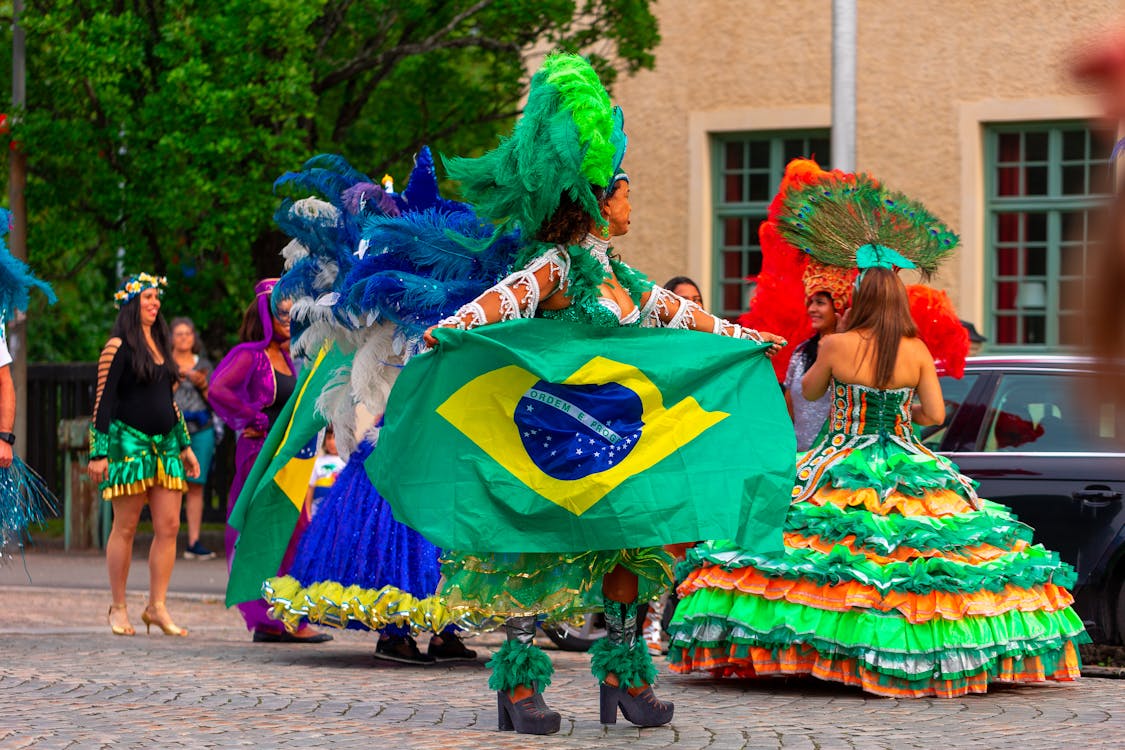
People in Costumes Holding a Brazilian Flag and Celebrating on the City ...
Brazilian Women, And What They Are Like | Hubpages

Brazilian Women, and What They Are Like | hubpages
Brazilian Samba Dancers
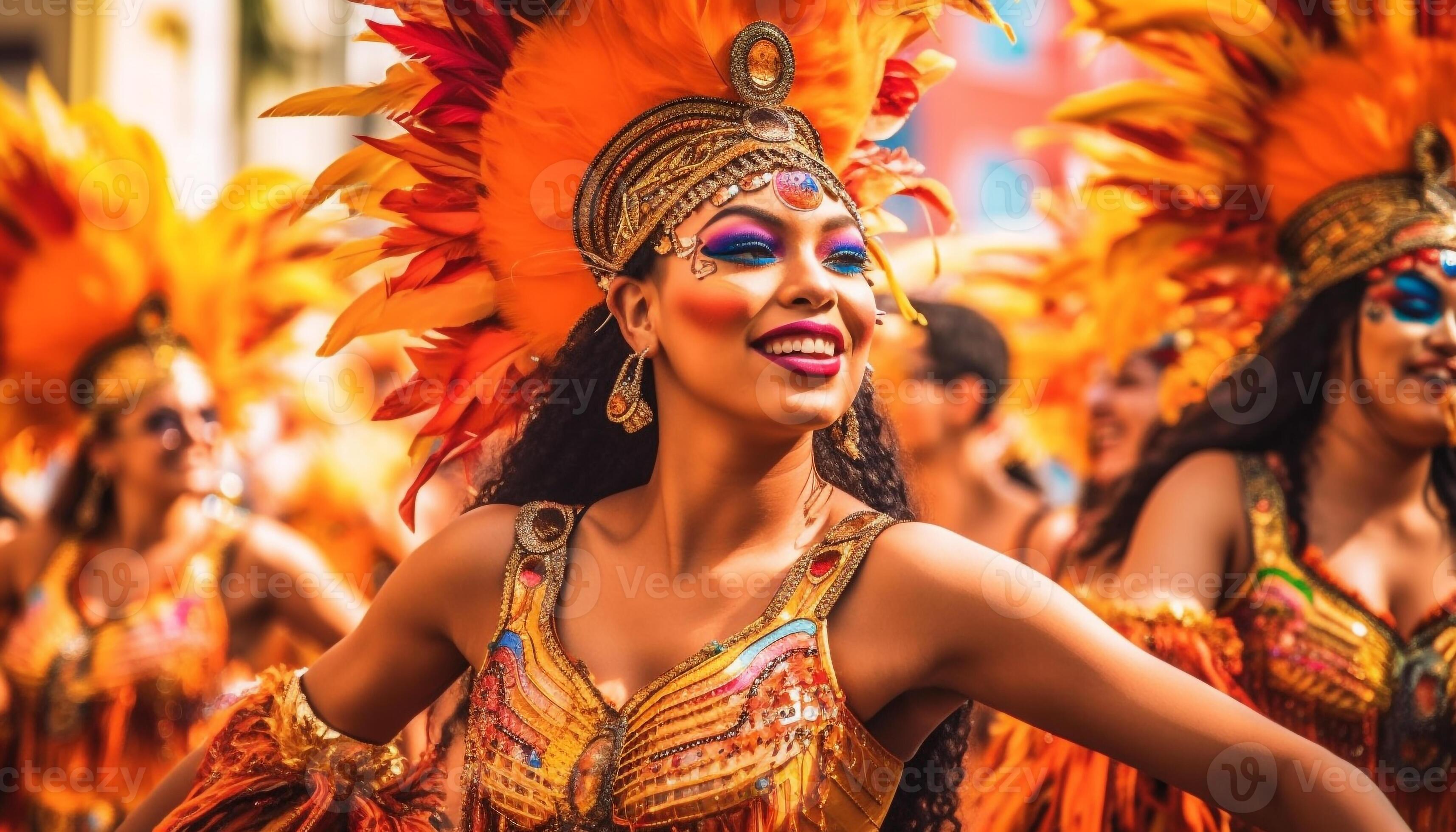
Brazilian Samba Dancers