Every day, we all carry a metaphorical jar filled with our worries, big and small. The act of deliberately opening that jar—confronting what scares or stresses us—is a powerful practice for mental resilience. Understanding what happens when you open a jar of fears every day reveals how consistent, small exposures can fundamentally change your relationship with anxiety and uncertainty.

The Psychology of Daily Fear Exposure
Psychologically, this practice is about graded exposure. When you voluntarily face a mild fear—like making a difficult phone call or trying a new skill—you break the cycle of avoidance. Avoidance provides short-term relief but strengthens anxiety long-term. By contrast, controlled exposure teaches your nervous system that the perceived threat is manageable. Over time, the brain recalibrates, reducing the fear response's intensity. It’s less about eliminating fear and more about building tolerance and confidence in your ability to handle it.
Practical Scenarios: What "Opening the Jar" Looks Like
In everyday life, this isn't about grand gestures. It's a series of conscious choices. The scenario varies, but the principle is consistent.
- The Professional Scenario: You fear public speaking. Opening the jar means volunteering to present a brief update in a low-stakes team meeting once a week. You start small, gathering data on your own performance, which demystifies the experience.
- The Social Scenario: You're anxious about meeting new people. The daily act could be initiating a two-minute conversation with a barista or neighbor. It's about practicing curiosity over judgment, one interaction at a time.
- The Personal Growth Scenario: You fear failure in creative projects. Opening the jar is committing to 15 minutes of "bad" writing, drawing, or coding without the pressure of a finished product. This separates the act of creation from the fear of a poor outcome.
How to Select What to Face: A Practical Framework
Not all fears are equal. A useful selection criteria involves assessing the fear's impact versus the exposure's difficulty. Start with fears that cause significant avoidance but are relatively low-risk to confront. Ask yourself: What is one thing I'm avoiding that, if I faced it, would meaningfully free up mental energy? Prioritize fears that affect your daily routine or limit your choices. The goal is strategic wins that build momentum for tackling deeper anxieties later.
The Long-Term Implications: Beyond the Moment
The cumulative effect of this daily practice is profound. You develop a new narrative about yourself as someone who is capable and resilient. This "self-efficacy" becomes a transferable skill, making you more adaptable to unrelated life stresses. Relationships can improve as you communicate more openly. Career opportunities may arise as you step outside familiar roles. It's a foundational habit that supports broader well-being, turning the jar from a container of dread into a toolkit for growth.

Sentences With Happens, Happens In A Sentence In English, Sentences For
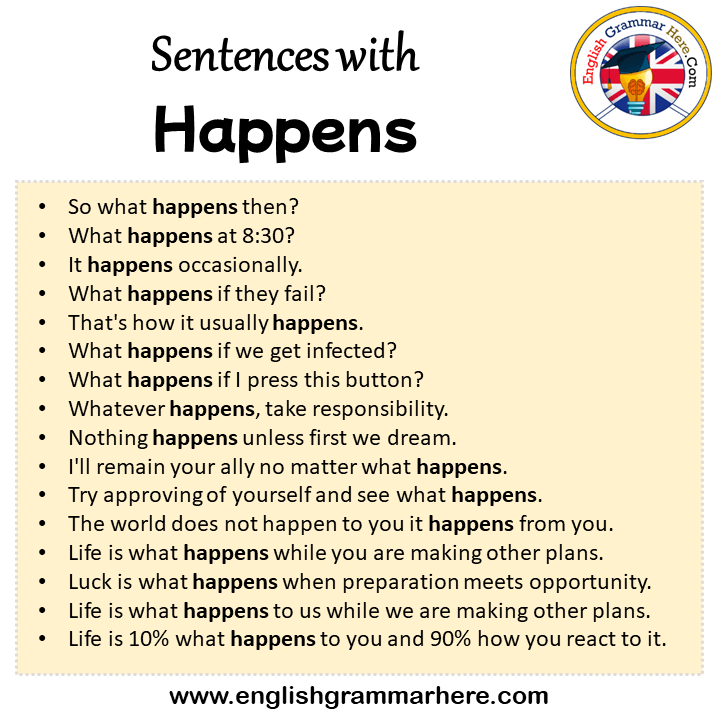
Sentences with Happens, Happens in a Sentence in English, Sentences For ...
That Always Happens Sometimes : FRANK, KILEY: Amazon.com.au: Books
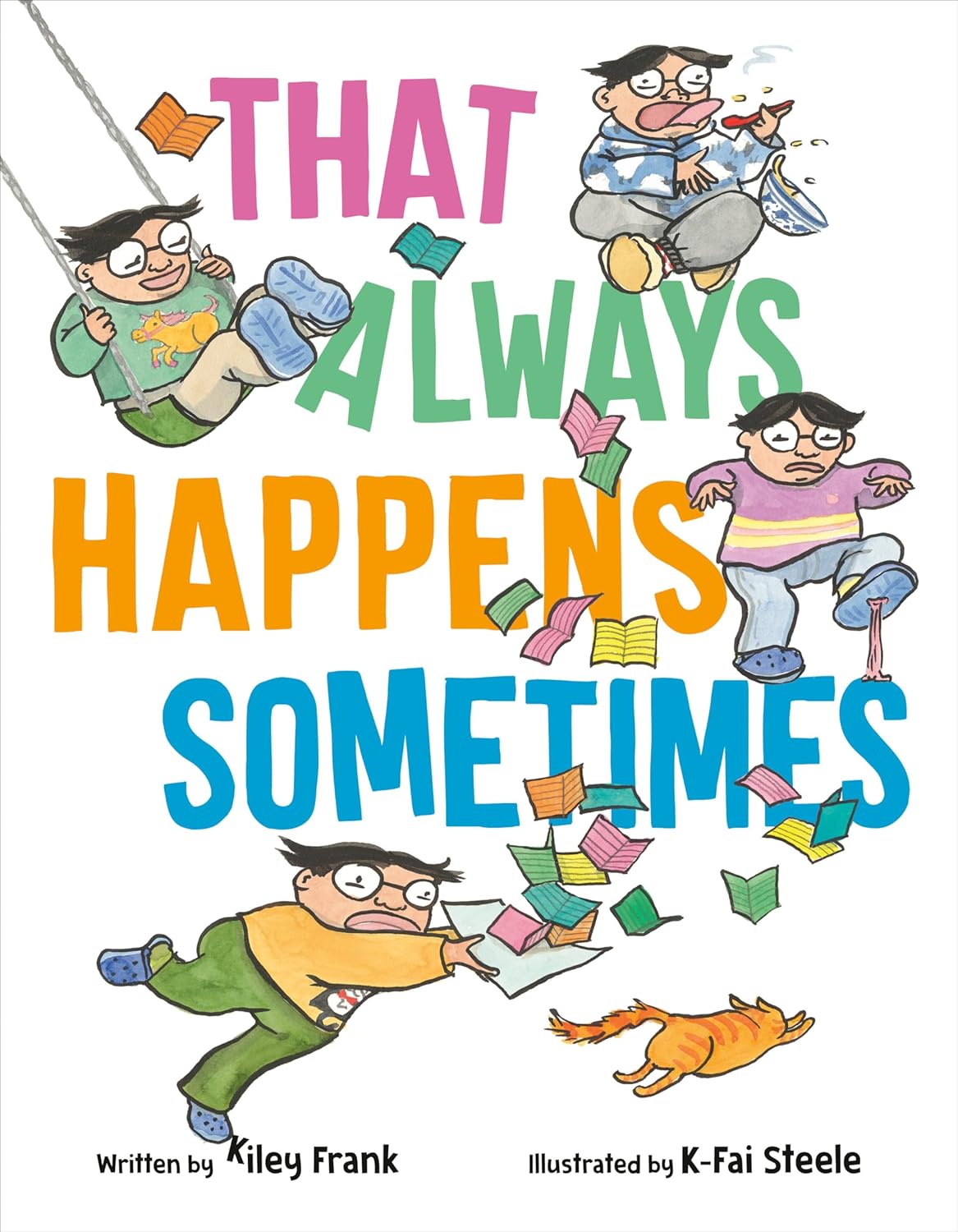
That Always Happens Sometimes : FRANK, KILEY: Amazon.com.au: Books
[036] As It Happens [happened] 【語法】 | ジーニアス 英語語法メモランダム
![[036] as it happens [happened] 【語法】 | ジーニアス 英語語法メモランダム](https://www.taishukan.co.jp/item/blog/cms/wp-content/uploads/2022/07/36_as-it-happens-happened.png)
[036] as it happens [happened] 【語法】 | ジーニアス 英語語法メモランダム