For designers, marketers, and anyone who spends time on digital or print projects, mastering RGB color charts can feel like unlocking a hidden power tool. By translating three simple numbers into vivid hues, RGB lets you match brand palettes, ensure consistency across devices, and create eye‑catching imagery that resonates with audiences. This article breaks down the most effective steps and common mistakes so that everyday creators can confidently apply RGB expertise to every visual touchpoint.
Why RGB Is the Backbone of Modern Visuals
Unlike CMYK, which is tailored for printing, RGB is the native color model for screens—computers, smartphones, TVs, and online ads. Its strengths lie in:
- Wide gamut: RGB can represent brighter, more saturated colors that captivate on-screen viewers.
- Dynamic range: Light‑to‑dark transitions feel smoother, which is essential for gradients and overlay effects.
- Device independence: A color defined in RGB will look similar across the majority of modern displays, provided proper calibration.
Because of these advantages, every pixel on your website or social media post starts its life in RGB before it ever reaches the viewer.
Decoding the Chart: A Step‑By‑Step Guide
Below is a practical roadmap that turns an abstract table of values into actionable color choices.
1. Identify the Primary Palette
Start by selecting the core brand colors. If your brand guide lists hex codes, convert them to RGB:
- Open a color picker (e.g., Photoshop, Figma).
- Input the hex value (#FF5733).
- Note the RGB output (255, 87, 51).
These triplets become the foundation for all subsequent color work.
2. Create Tints and Shades
To build depth, adjust the brightness while preserving hue and saturation. A quick trick is to use the HSL slider:
- H (Hue) stays the same.
- Increase L (Lightness) for tints; decrease for shades.
- Keep S (Saturation) constant unless you need a muted tone.
Convert the new HSL values back to RGB for consistency.
3. Test Across Devices
Colors can shift between monitors. Use a calibration tool or simply preview on a phone, tablet, and desktop. Pay special attention to:
- Background contrasts that might become washed out.
- Text readability against varied hues.
- Brand logo visibility across different platforms.
Practical Applications: From Web to Print
Once your RGB palette is finalized, applying it becomes a matter of context.
Web Design
- Use
background-colorandcolorproperties directly with RGB values. - Leverage CSS variables to manage theme changes efficiently.
- Remember to provide fallback colors for older browsers that may not interpret RGB properly.
Print and Marketing Collateral
Convert your RGB colors to CMYK before printing to prevent color drift. Tools like Adobe Illustrator or online converters can automate this step, but always proof on a test print first.
Advertising & Social Media
Dynamic ads often blend multiple brand colors. Use a gradient generator that accepts RGB inputs to maintain visual harmony across different ad placements.
Common Pitfalls and How to Avoid Them
Even seasoned designers can fall into these traps:
- Ignoring color profiles: Always work in the sRGB space for web projects; use Adobe RGB or ProPhoto RGB for high‑fidelity prints.
- Relying solely on hex codes: Hex is convenient but lacks transparency data, which can lead to misinterpretation in color‑blind accessibility checks.
- Neglecting contrast ratios: The Web Content Accessibility Guidelines (WCAG) recommend a minimum contrast ratio of 4.5:1 for normal text.
The Future of Color: Beyond RGB
Technologies such as HDR displays and quantum dot panels are pushing color spaces beyond RGB. However, the RGB color chart remains the industry standard for most day‑to‑day visual work. Staying current with emerging models—like P3 or Rec. 2020—can give you a competitive edge, especially when designing for next‑generation devices.
In sum, the secret to creating stunning visuals lies not in a mysterious formula but in disciplined, repeatable use of the RGB color chart. By following a clear step‑by‑step process, testing across devices, and vigilantly avoiding common errors, everyday creators can elevate their work from functional to unforgettable.
Desodorante SECRET Mujer Gel Powder Protect Cotton (45 Gr) Img #1

Desodorante SECRET mujer gel powder protect cotton (45 gr) img #1
Secret Deodorant Logo
Secret Deodorant Logo
Secret Mcdonalds Menu

Secret Mcdonalds Menu
Secret Invisible Solid Women's Antiperspirant And Deodorant, Powder
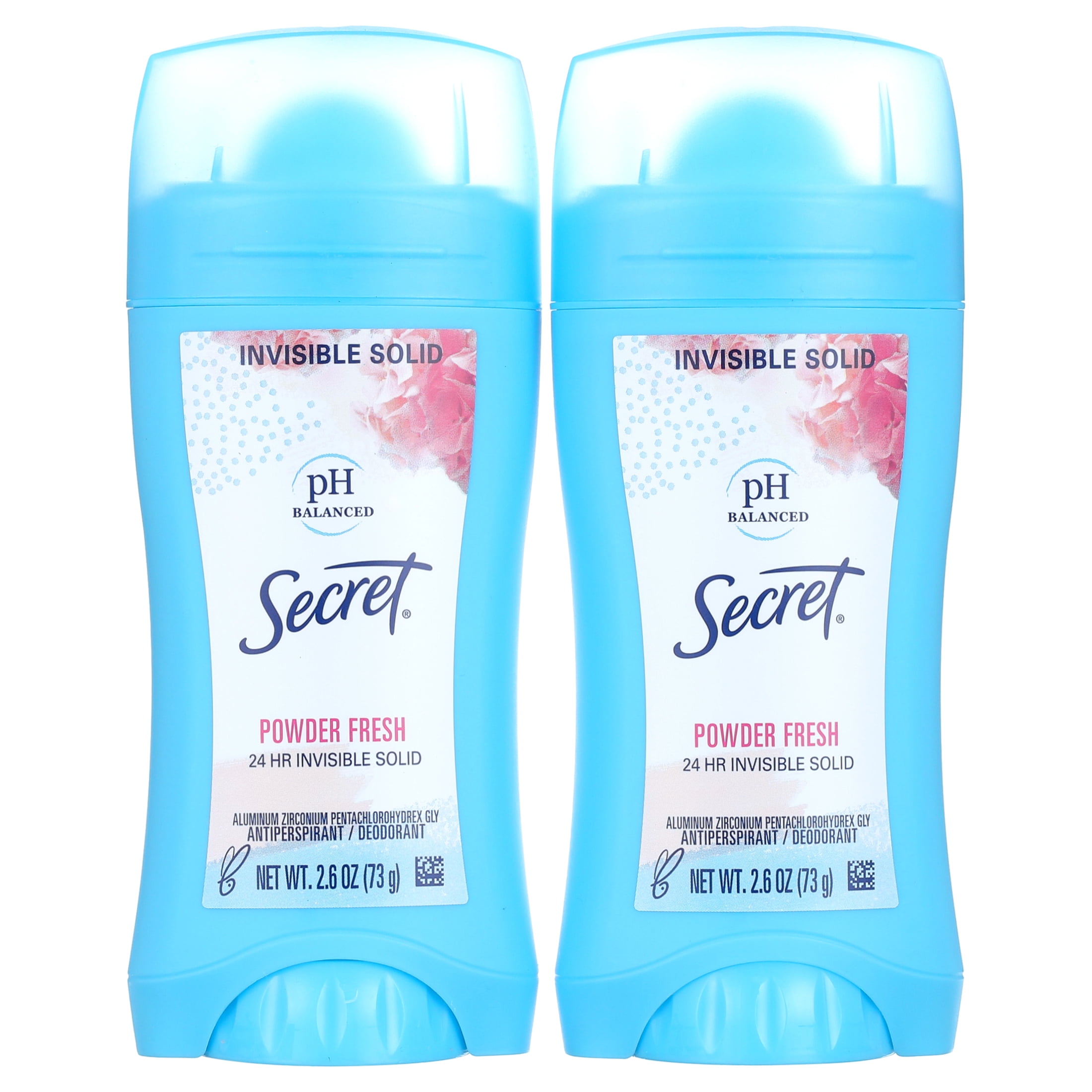
Secret Invisible Solid Women's Antiperspirant and Deodorant, Powder ...
Secret (deodorant Brand) - Wikipedia

Secret (deodorant brand) - Wikipedia